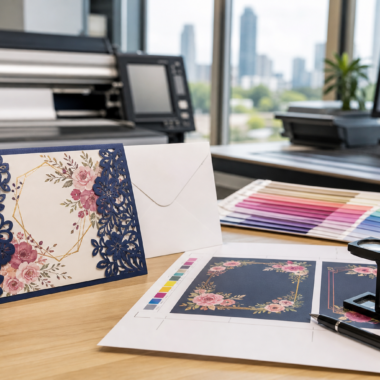

Brochures vs presentation folders for brokerages is the choice between a compact, self-contained story and a modular, professional packet that organizes proofs. For listing and recruiting moments around the 5004 Timberlea Blvd Unit#18 area of Mississauga, use brochures for quick storytelling and folders for structured decision kits. The smart mix improves recall and follow-up.
By Top Realtor Sign & Print (Ashwani) • Last updated: 2026-06-24
Introduction
Choosing between brochures and presentation folders shapes how clients perceive your brokerage in the first five minutes. Brochures deliver a tight narrative fast; folders assemble multiple documents into a polished kit. Use each where it’s strongest to guide prospects from curiosity to commitment without friction.
Every broker leader we speak with needs two things: speed and signal. Speed to get market-ready materials in hours, not weeks. Signal to project trust, expertise, and process at a glance. In our experience supporting Ontario brokerages, the format you hand across the table sets that tone within seconds.
Here’s the practical way to decide. We’ll compare capacities, stocks, finishing, distribution, and real-world brokerage use cases—open houses, CMAs, recruiting, and luxury listings. We’ll also show where Top Realtor Sign & Print’s brochures, folders, and inserts slot in so your agents can pivot fast with same-day options when timelines are tight.
As a quick orientation: a tri-fold brochure offers six panels for a focused story, while a standard 9×12 presentation folder holds 10–20 sheets plus your business card. Brochures fit farm routes, doors, and events. Folders shine at the dining table or boardroom when a seller is weighing details.
Summary: at a glance
Use brochures for fast outreach and brand storytelling; use presentation folders when a decision needs organized proof. Prospecting favors brochures; closing and onboarding favor folders. Keep both on hand so agents match the moment without overloading or under-informing clients.
Think of your collateral stack like a playbook. Different pages for different plays, yet a single, branded system:
- Prospecting (top-of-funnel): Tri-fold brochures, postcards, and door hangers; light, mailable, handout-friendly.
- Conversion (mid-to-bottom): Presentation folders + curated inserts; includes CMA summaries, marketing plans, and timelines.
- Nurture (post-meeting): Slim follow-up folder or one-page recap; QR to book next step in under 30 seconds.
When teams standardize these choices, handoff time drops. We routinely see agents prepare a complete listing kit in 10–12 minutes when the content library and folder template are set up in advance.
Quick comparison table
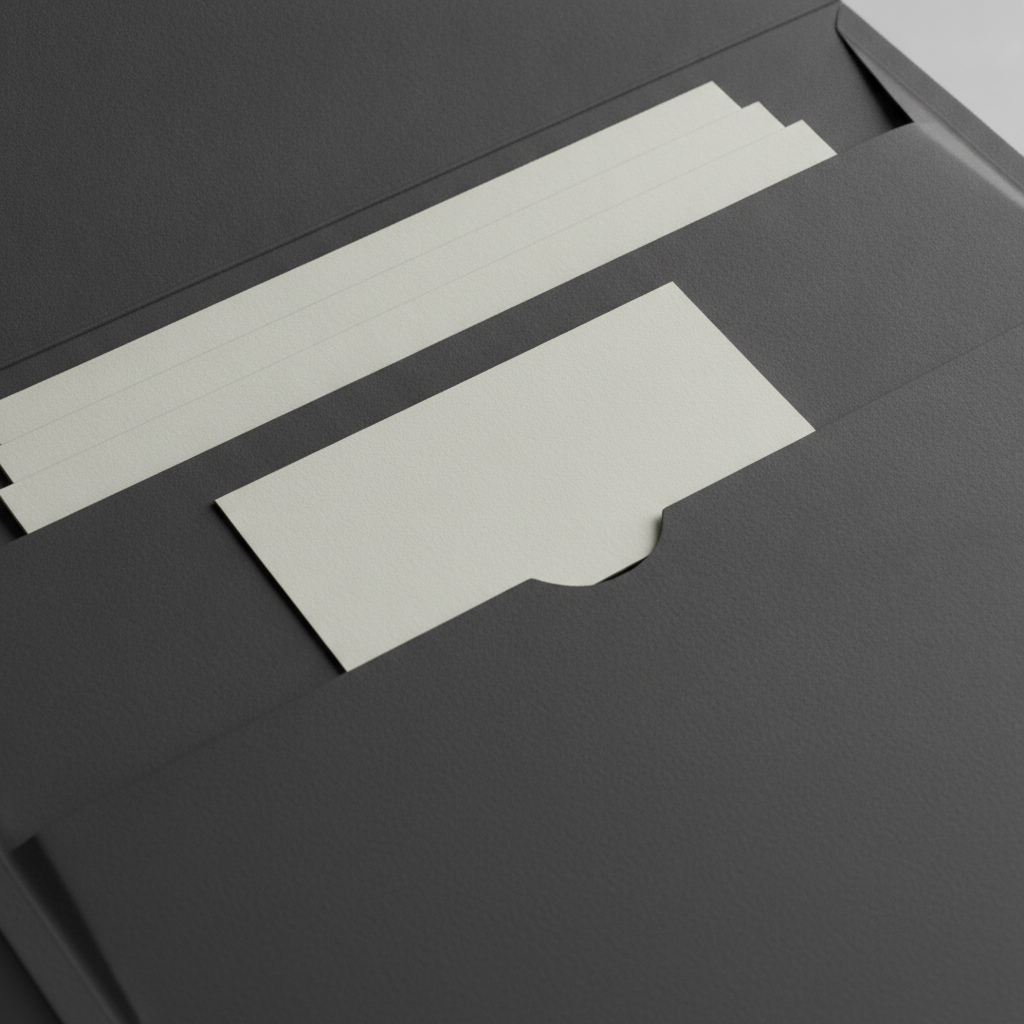
Brochures excel at quick reach and concise messaging; presentation folders excel at organizing multi-page proofs. Choose brochures for door drops and events, and folders for listing presentations, buyer packets, and recruiting. Size, capacity, and finishing determine the right fit for the moment.
Here’s a side-by-side to make the choice simple. Note the capacity and speed differences—these matter when a weekend open house is less than 24 hours away.
| Attribute | Tri-fold Brochure | Presentation Folder |
|---|---|---|
| Core purpose | Fast brand story and highlights in six panels | Organized leave-behind with multiple proofs |
| Typical sizes | 8.5×11 tri-fold; half-fold or Z-fold variants | 9×12 with one or two pockets |
| Capacity | Brochure itself; can tuck 1–2 flat inserts | 10–20 sheets + business card slits |
| Stocks | 100 lb text, 80 lb cover, 14 pt options | 14–16 pt cover and above for rigidity |
| Speed | Often same-day on standard stocks | Fast; inserts can be same-day, folder next-day |
| Best uses | Farming routes, events, lobby racks | Listings, CMAs, recruiting, buyer onboarding |
| Finishing | AQ, matte, gloss | Soft touch, foil, raised spot UV |
Want deeper sizing context for related outreach? See our internal breakdown of top flyer sizes for listing areas and events.
Brochures vs presentation folders for brokerages: when each wins
Pick brochures when you need reach and speed; pick folders when you must organize proof and next steps. Brochures move fast across doors and events, while folders help sellers and buyers review details calmly after your appointment.
In practical terms, “brochures vs presentation folders for brokerages” isn’t an either-or decision—it’s sequencing. A brochure seeds interest in 15–30 seconds. A folder supports a 45–60 minute conversation with data, plans, and forms. When both are present, prospects see a brand that’s fast and thorough.
Our Mississauga team pre-builds insert libraries—CMA summaries, marketing menus, vendor lists—so a listing folder comes together in under 15 minutes. Meanwhile, tri-fold brochures are stacked for weekend farming, where a single agent can distribute 150–250 pieces in a two-hour block without fatigue.
To keep brand recall high, we recommend pairing a soft-touch folder with a crisp one-page overview. The texture signals care; the one-pager gives a 90-second recap for the fridge or desk. This mix converts attention into next steps with fewer follow-up calls to “resend the plan.”
Our top pick
For the listing-table moment, a branded 9×12 presentation folder with curated inserts wins. It adapts to property type, keeps documents neat, and presents your process clearly. Add a one-page overview sell sheet and your agent’s business card to complete the kit.
Here’s why this is our pick. Sellers want clarity on three things: timeline, marketing exposure, and pricing logic. A folder lets you stage these proofs in order—overview, CMA summary, marketing plan, testimonials—so the story flows naturally. Most sellers review packets again within 24–48 hours; a tidy folder supports that re-read.
We build these with sturdy 14–16 pt covers for durability, then upgrade finishes—soft touch for a premium hand feel, raised spot UV on the logo for tactile contrast, and foil accents for luxury listings. Inserts print on 100 lb text or 80 lb cover so pocket weight stays comfortable while pages turn cleanly.
Need the light version for first contact? Keep a stack of tri-folds in vehicles and at reception. Our folded brochures are designed for quick, consistent reorders through our online design tool, so agents can grab fresh batches for weekend events without slowing down.
Use cases #2–10
Folders shine for decision-heavy moments; brochures shine for reach. Use folders for listings, CMAs, recruiting, buyer onboarding, and partner pitches. Use brochures for open-house handouts, farm routes, events, and quick follow-up summaries.
Entry #2: Open house handouts
Brochures at the door capture passerby attention in 10 seconds. Keep 100–200 by the sign-in. Reserve a few slim folders for high-intent buyers who ask about comps or timing. Pair with a small roll-up banner at the welcome table for visibility.
Entry #3: Buyer onboarding packets
Folders organize the buyer journey: agent card, process checklist, lender contact sheet, inspection timeline, and key dates. A tri-fold brochure can carry your brand story and service promise succinctly—great for spouses who couldn’t attend.
Entry #4: Recruiting experienced agents
Experienced agents compare support systems fast. Use a folder with a comp plan overview, marketing menu, tech stack list, training calendar, and two brief case studies. Soft-touch folders with raised spot UV on brand marks create a premium impression in under five seconds. Use heavyweight inserts and minimal layouts. A single minimalist brochure inside functions as a teaser rather than a full explainer.
Entry #6: Door knocking and farm mailers
For volume outreach, weight and size matter. Tri-fold brochures or postcards distribute quickly and fit mail slots neatly. A single agent can cover 120–180 homes per hour in compact neighborhoods when pieces are pre-sorted.
Entry #7: CMA and pricing strategy leave-behind
A folder keeps your pricing logic intact. Place the one-page summary first, then methodology, then comparable sheets and a timeline. Clients often revisit these pages two to three times before calling back; a clean order reduces confusion.
Entry #8: Media kits and sponsorships
When pitching HOAs or local events, folders organize proposal, scope, case studies, and insurance certificates so decision makers can share internally. If you’re mapping ecosystem partners, you may find landscape explainer posts like this real estate marketplace overview helpful for naming channels in your kit.
Entry #9: Team meetings and brokerage training
Folders keep agendas, worksheets, and policy updates together so agents can add notes and store them for weeks. Expect 10–15 sheets per meeting; a two-pocket folder prevents corner wear and keeps pages aligned in laptop sleeves.
Entry #10: Post-appointment follow-up
Send a slim folder containing a thank-you note, a referral program slip, and a single next-steps insert. This arrives as a small but thoughtful package and typically earns a 60–90 second re-read the next morning, which is when many sellers commit to a path.

How to choose
Decide by message length, decision stage, and logistics. Short story and wide reach? Brochure. Multi-document proof and clear next steps? Folder. Build a simple matrix so agents can choose in under 20 seconds before every appointment.
Use these factors to lock the decision:
- Stage: Prospecting (brochure), decision (folder), nurture (either).
- Content density: Six panels vs. 10–20 sheets plus card.
- Timeline: Same-day handouts vs. fast folder + same-day inserts.
- Distribution: On-foot routes, events, boardrooms, or mailers.
- Durability: Soft-touch folders resist scuffs during re-reads.
We often set a one-page decision grid inside a brokerage playbook. For example: “If appointment is today and decision complexity is high, assemble Folder A (overview + CMA + plan + card). If intent is uncertain and time is tight, carry 50 tri-folds and 10 one-pagers.” When teams follow a grid, prep time drops by 30–40% on busy weeks.
Align choices with your channel map, too. If you drive open-house traffic via social or directories, include a QR on the brochure to book showings. If your recruiting flow begins on LinkedIn, the folder can feature a short training calendar and tech stack overview to mirror what candidates saw online.
Buying guide (stocks, finishes, inserts)
Lock specs before design: stock weight, finish, and insert mix. Use 100 lb text or 80 lb cover for inserts; 14–16 pt covers for folders; soft-touch and raised spot UV for premium feel. Build a reusable content library so agents assemble kits in minutes.
Here’s a practical spec stack that balances speed and polish:
- Folders: 9×12, 14–16 pt cover; optional soft-touch, raised spot UV, or foil on brand marks.
- Inserts: 8.5×11 on 100 lb text (lighter) or 80 lb cover (sturdier); think 6–12 core sheets by use case.
- Brochures: Tri-fold 8.5×11; AQ or matte. Keep panels modular for quick updates per quarter.
- Business cards: Slot-ready; consider raised spot UV or gold/silver foil to match folder finishes.
From our shop floor, we’ve found that pre-approved content libraries save teams 20–30 minutes per appointment. Create master versions of your overview sheet, marketing plan, CMA summary, and vendor list. When an agent can print 3–5 inserts on demand and add them to a branded folder, readiness stays high even in surprise same-day scenarios.
Want to self-serve design? Our browser-based online brochure editor makes quick updates simple; it’s ideal for quarterly metrics or new service lines. For larger campaigns, you can cross-reference educational pieces like this buyers’ agent guide to align your onboarding insert topics with common consumer questions.
Local considerations for 5004 Timberlea Blvd Unit#18
- Agents often meet clients near Tomken Station East Platform A; carry a few slim folders to turn a coffee chat into a scheduled listing appointment.
- Weekend open houses spike in spring and fall; prep tri-fold brochures on Fridays for smoother Saturday pickups in the 5004 Timberlea Blvd Unit#18 area.
- Bring a dog-eared test copy to check pocket capacity during windy days at Parkway Belt Dog Park adjacent showings; edge stiffness prevents corner curl outdoors.
Need a fast collateral reset?
Standardize a brochure + folder system in one week. We’ll map your use cases, set specs, and build templates agents can reorder in minutes. Same-day options keep weekend events covered without last‑minute scrambles.
We can help you blueprint the entire stack—brochures for reach, folders for decisions, inserts for proof. Explore our brokerage-friendly bundles and product options, then pin down a two-tier kit your team can maintain year‑round.
FAQ: brochures vs folders for brokerages
Use brochures for quick reach and brand story; use folders for organized proofs and next steps. Keep both ready so agents match the moment—events, listings, recruiting, and follow-up—without scrambling.
What should go in a listing presentation folder?
Include a one-page overview, CMA summary, marketing plan, two short testimonials, a timeline, and your business card. Put the recap sheet first. Keep total pages to 10–15 so sellers can review it in under 10 minutes the next day.
When are brochures better than folders?
Brochures are best for top‑of‑funnel moments—door routes, events, lobby racks, and quick handouts at open houses. They’re light, fast to print, and easy to carry in batches of 100–250. Use them to seed interest, then follow with a folder when intent is higher.
Can I mail presentation folders?
Yes, but watch weight and thickness. For broader outreach, brochures or postcards are more efficient for delivery routes. If you do mail a folder, limit inserts and consider a rigid mailer so it arrives clean and flat.
How do I keep materials on brand across offices?
Lock a master template set and a shared content library. Keep brand colors, type, and approved photos centralized. Use an online design editor for small updates and a periodic (quarterly) review so every handout aligns with brokerage standards.
Methodology
We compared format capacity, handling time, durability, and buyer psychology across common brokerage scenarios. We favored clarity, flexibility, and speed to reorder—factors that keep agents productive during peak listing weeks.
Our recommendations come from hands-on production in Mississauga and feedback loops with Ontario teams. We assembled test kits—brochure-only, folder-only, and hybrid—and timed assembly, packing, and field use. We tracked sheet counts (6–12 inserts), re-read frequency (24–48 hours post-appointment), and swap rates when listings changed.
We also validated stock behavior. 14–16 pt covers resisted corner curl through repeated handling. 100 lb text inserts flipped easily without bulk while maintaining opacity for double-sided charts. Raised spot UV and soft-touch combinations consistently drew positive tactile comments in the first minute of handling.
Finally, we mapped each decision to a lifecycle stage: prospecting, conversion, and nurture. This keeps the “brochures vs presentation folders for brokerages” question grounded in buyer psychology rather than pure print theory.
Key takeaways
Use brochures to reach, folders to decide, and a one-page overview to bridge both. Standardize specs, pre-build inserts, and keep same-day options ready. Your kit should take under 15 minutes to assemble and under 10 minutes to re-read.
- Brochures = speed and reach; folders = organization and clarity.
- Sequence matters: brochure first touch, folder to close, slim follow-up after.
- Spec for durability: 14–16 pt covers; 100 lb text or 80 lb cover inserts.
- Keep total inserts to 10–15 so clients finish a re-read in one sitting.
- Use QR codes and clear next steps on both formats to reduce back-and-forth.
- Pre-build a content library; aim for 6–12 core sheets to cover 80% of cases.
Conclusion
Brochures spark attention; presentation folders secure decisions. Equip agents with both so they can match collateral to the moment. A simple, standardized kit shortens prep time and improves follow-up across listings, recruiting, and buyer onboarding.
Here’s the bottom line. Brochures carry your brand into neighborhoods and events at scale. Folders carry your process into a seller’s decision window with order and proof. When you pair them—plus a crisp overview sheet and a slotted business card—your team moves faster and looks sharper.
If you’re operating around 5004 Timberlea Blvd Unit#18 and need a quick reset, we’re nearby and ready. Explore folded brochures, review our door hanger playbook, and check brokerage-friendly bundles. Let’s set up a two-tier kit your agents can maintain in minutes. Book a discovery session in 5004 Timberlea Blvd Unit#18 today.