Funny car for sale signs are attention-grabbing, humor-forward messages placed on vehicles to boost visibility and spark conversations that lead to faster, safer sales. When written clearly, sized for drive-by readability, and paired with a simple call to action, these playful signs can double inquiries while keeping interactions respectful in 5004 Timberlea Blvd Unit#18.
By Ashwani, Top Realtor Sign & Print
Last updated: 2026-06-28
Quick Summary
Use humor to make your car listing memorable, but prioritize legibility, safety, and respect. Pick a durable substrate, write one punchline plus one action (QR or phone), and keep letters big enough to read from 30–60 feet. Test in daylight, then iterate.
Here’s what you’ll get in this complete guide:
- What “funny car for sale signs” means and when humor helps
- Why humor drives recall and word of mouth
- A proven, step-by-step writing framework with examples
- Design, materials, and placement best practices
- 21 example lines you can adapt today
- Local tips for 5004 Timberlea Blvd Unit#18 and nearby spots
- On this page
- What it is
- Why humor works
- How to create one
- Types + 21 examples
- Best practices
- Tools & templates
- Case studies
- Advanced tips
- FAQ
- Key takeaways
- Conclusion
What Are Funny Car for Sale Signs?
Funny car for sale signs are lighthearted, handwritten or printed placards that advertise a vehicle while using humor to stop the scroll of real life—walkers, riders, and drivers. The goal is simple: get noticed, start a conversation, and convert attention into qualified inquiries without crossing lines.
In our experience helping Ontario sellers, humor works best as the “hook,” not the whole pitch. You still need clarity: year, model, mileage, contact method, and any must-know condition notes. A funny line invites a smile; a clean layout earns the call or QR tap.
- Definition in plain terms: A readable, weather-safe sign that blends a joke with the facts.
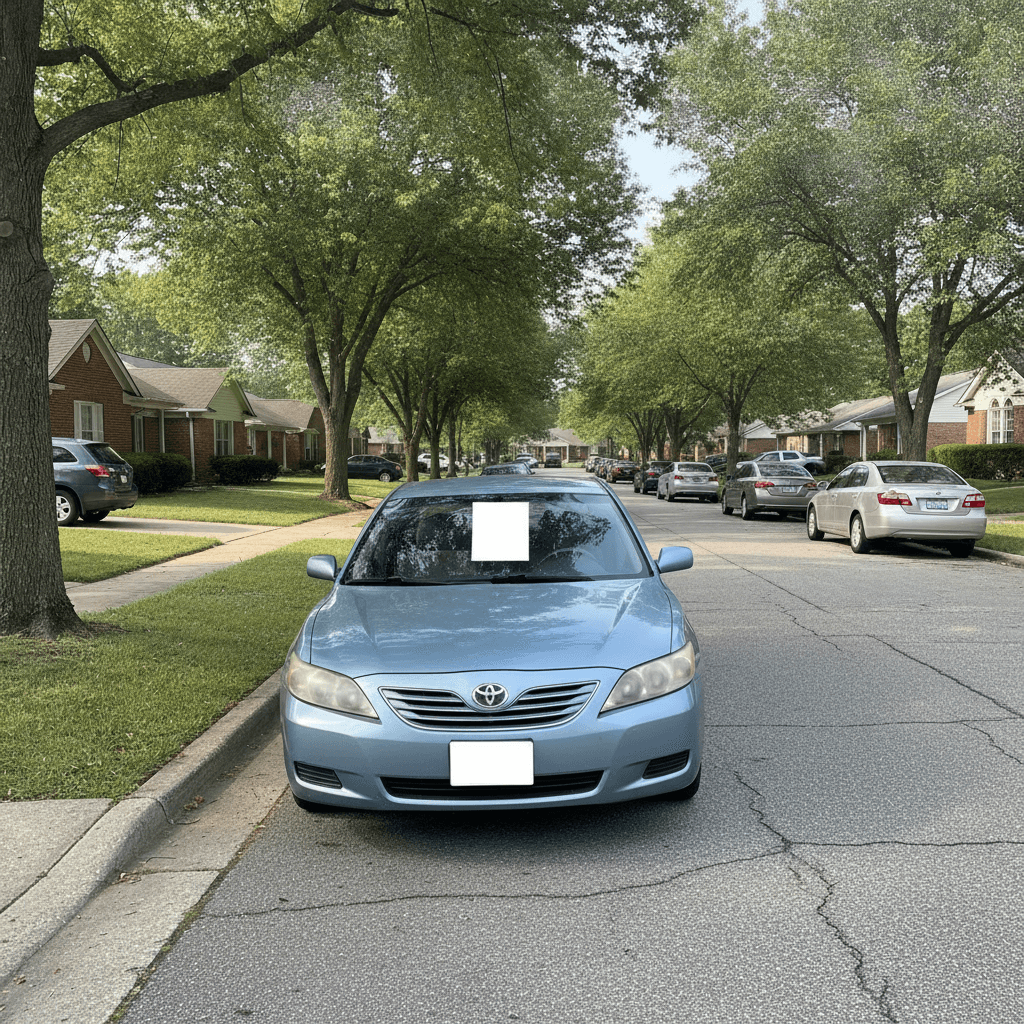
- Typical formats: Windshield placards, side-window coroplast, magnetic door panels, or a rear-window cling.
- Core components: One-liner, 1–2 key facts, single contact path, scannable QR to full listing.
- Placement: Parked curbside in high-foot-traffic areas, shown at meets, or shared on social.
Here’s the thing: people don’t remember everything they read, but they remember how it made them feel. Your sign’s job is to cut through visual noise with a smile and direct the reader to a simple next step.
Why Humor Matters for Car For-Sale Signs
Humor grabs attention, improves ad recall, and earns free word of mouth. A playful line makes passersby pause long enough to capture your contact or scan a QR. When the joke is clean and clear, more people remember you—and share your listing.
Three reasons humor reliably performs in real-world signage:
- Attention boost: A clever twist disrupts pattern recognition, buying a few extra seconds of focus.
- Memory effect: Emotional valence helps people encode and later recall your message and contact route.
- Shareability: If it’s witty without being mean, folks snap a photo and send it to friends—organic reach.
Keep ethics front and center. Avoid anything that could be read as discriminatory, unsafe, or vulgar. If someone could read it out loud to a child without wincing, you’re in the safe zone. Use a single punchline plus one action so the joke doesn’t bury the lead. Pair humor with practical presentation details—like 4–6-inch headline letters for 40–60‑foot viewing and a QR code of at least 1.5 inches—so curiosity turns into action quickly.
How Funny Car For Sale Signs Work (And How to Create One)
Write one strong hook, one proof point, and one call to action, then print on a weatherproof substrate in large, high-contrast type. Park where the target buyer will see it, test visibility at 30–60 feet, and refine weekly based on inquiry quality.
Step-by-step framework (7 steps)
- Choose the vibe: Self-deprecating, punny, or situational (but never crude). Jot five options; pick one.
- State one fact: Low mileage, single owner, service records—one credibility line is enough.
- Decide the action: Prefer one action: text, call, or scan. QR to a full listing converts well.
- Size the letters: Use the common rule of thumb: about 1 inch of letter height per 10 feet of viewing distance.
- Pick materials: Coroplast for windows, magnets for doors, cling for glass; see table below.
- Proof and test: Print a draft, tape it on, then step back 30–60 feet in daylight and shade.
- Measure and iterate: Track weekly inquiries. If views rise but calls don’t, simplify the copy.
Substrate and placement quick-compare
| Option | Best use | Upsides | Watch-outs |
|---|---|---|---|
| Coroplast (window) | Windshield/side window | Lightweight, weather-resistant | Needs suction cups; glare risk |
| Magnetic panel | Driver/passenger door | Fast on/off, reusable | Only sticks to steel; clean surface |
| Glass cling | Rear window | No residue, easy reposition | Reduced grip in cold; tint glare |
| Cardstock insert | Inside windshield | Ultra low-cost | Not weatherproof; can curl |
Pro tip: Use high-contrast color pairs (black on white, navy on lemon) and limit yourself to two fonts. Big block letters win drive-by tests; script fonts are often unreadable at distance. Keep letter spacing generous—about 10–15% of letter width—to avoid visual crowding at 40–60 feet. Leave 0.5–1 inch margins all around to frame content cleanly.
Copywriting formula you can steal
- Hook (5–7 words): “No payments. Just pavement.”
- Proof (3–5 words): “Single owner.” or “Winter tires.”
- Action (2–4 words): “Text me.” or “Scan for pics.”
Keep the combined word count under 14–16 words for curbside readability. Set the hook at 4–6-inch letter height, the action at 3–4 inches, and the proof point at 1.5–2 inches in a corner. That hierarchy guides eyes in under three seconds.
Design and production checklist
- Contrast ratio: Aim for strong dark-on-light pairs; thin strokes disappear at distance.
- QR specs: Minimum 1.5 inches square; keep 0.25 inches of quiet space around.
- Durability: Laminate outdoor prints or use weather-safe stocks to prevent bleed.
- Mounting: Degrease glass/paint; magnets need clean, flat steel to hold properly.
- Redundancy: Add a short-code text line in case glare blocks QR scans at certain angles.
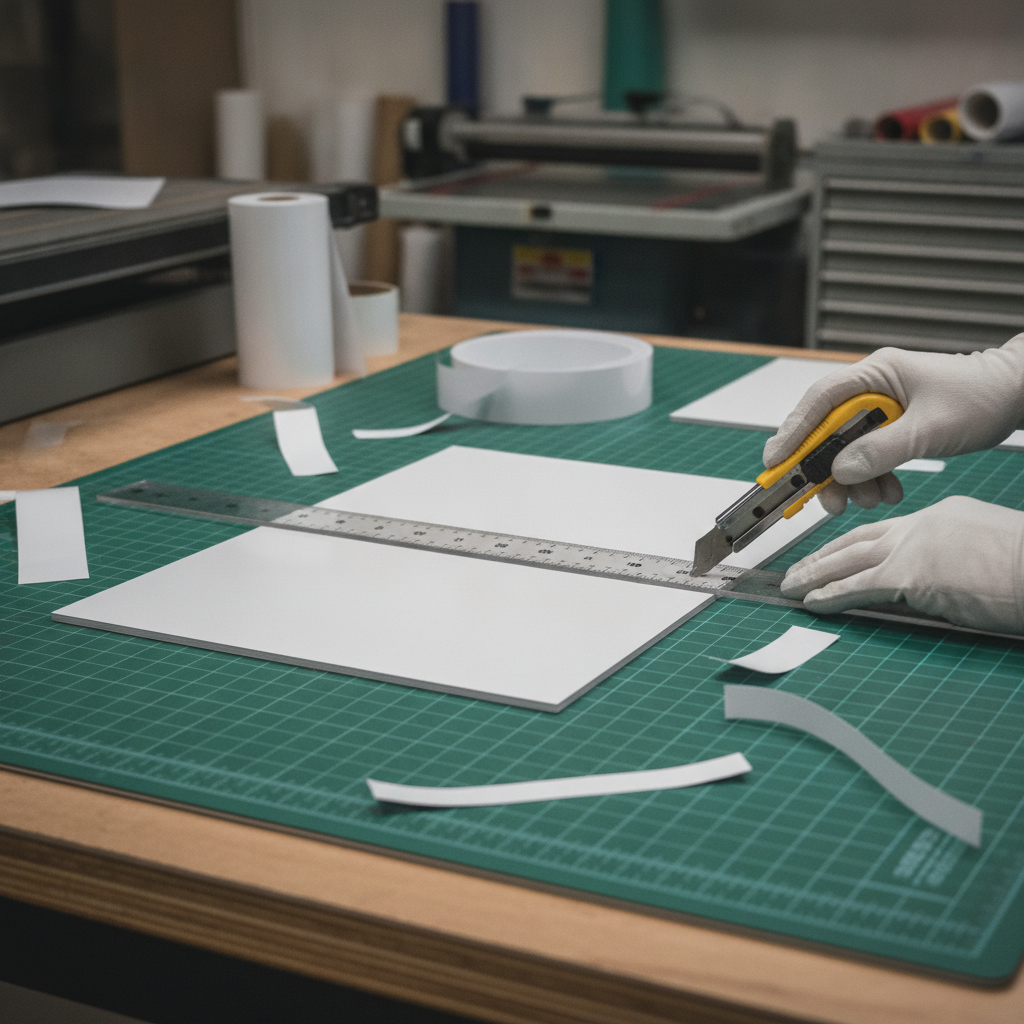
When you’re ready to print, our team at Top Realtor Sign & Print can pre-flight your file, confirm resolution, and cut to exact sizes for windows, doors, and rear glass. If you’re nearby, same-day pickup is often possible on core materials.
Types of Humor and 21 Real-World Examples
Pick a humor style that flatters the buyer and keeps facts clear. Use one joke, one proof point, one action. The examples below are field-tested formats you can adapt to your vehicle and audience.
Light self-deprecation
- “It’s not me, it’s you—seriously, you’ll treat it better.”
- “Midlife crisis averted. Car must go.”
- “Runs great. My parallel parking? Not so much.”
Puns and wordplay
- “Let’s make a deal-ership—no middleman.”
- “New owner wanted: good with brakes and commitments.”
- “Hatch you been looking for me?” (hatchback)
Situational humor
- “Baby on board (soon). Need something with more ‘whoa.’”
- “New job downtown. Manual in traffic? Hard pass.”
- “Moved near transit. Car deserves adventure.”
Credibility with a twist
- “Single owner, full records. No drama, just data.”
- “Dealer serviced. Mechanic says, ‘Keep it.’ I say, ‘You keep it.’”
- “Highway miles only—podcasts included.”
Short, punchy hooks
- “No payments. Just pavement.”
- “Starts. Stops. Smiles.”
- “Great gas. Better sass.”
Family-friendly fun
- “Crumbs included at no charge.”
- “Kid-tested, parent-approved road trips.”
- “Pet-friendly: golden retriever not included.”
Hyper-local riffs
- “Perfect for campus runs—books not included.”
- “Weekend park trips ready—treats for the dog optional.”
- “Transit nearby, parking optional—adventure required.”
Pair any hook with one proof point (“low mileage,” “winter tires,” “remote start”) and a single action: “Text me,” or a large QR to your full spec sheet. Keep the total copy to two lines and under 16 words so a passerby can parse, smile, and act within three seconds.
Best Practices, Etiquette, and Rules
Keep it readable, respectful, and compliant. Avoid deceptive claims, place signs only where permitted, and don’t block visibility. Humor should never compromise safety or truthfulness, and disclaimers must be clear if you include conditions.
- Legibility first: If it can’t be read in three seconds from 30–60 feet, it’s not working.
- Truth-in-advertising: Don’t exaggerate condition or features; list material issues plainly.
- Placement: Respect public bylaws and private property rules; park legally and safely.
- Driver safety: Your sign is for parked viewing. Never tempt drivers to read fine print while moving.
- Respect lines: No insults, hate, or adult jokes. Keep it PG and inclusive.
- Weatherproofing: Laminate or use outdoor-rated stocks; wet ink bleeds kill credibility fast.
Consistency across channels helps. If your sign mentions “single owner” or “new brakes,” echo the same phrasing on your online listing and in any printable handouts. That repetition reduces back-and-forth and prevents misunderstandings.
Tools, Materials, and Templates You Can Use Today
Start with a blank, outdoor-ready sign, a QR that links to your listing, and a bold two-line layout. If you prefer pro help, a local sign shop can design, print, and cut window cards, magnetic panels, and clings—often the same day.
At Top Realtor Sign & Print, we’ve outfitted thousands of on-the-go sellers with quick-turn signage and marketing leave-behinds. Whether you need a single windshield placard or a full set of magnets plus flyers, you can keep everything brand-consistent and pickup-ready. Explore our in-house design work in the graphics portfolio for layout ideas and finishes.
- Outdoor-ready For Sale and directional sign materials
- Magnetic car signs sized for popular sedans and SUVs
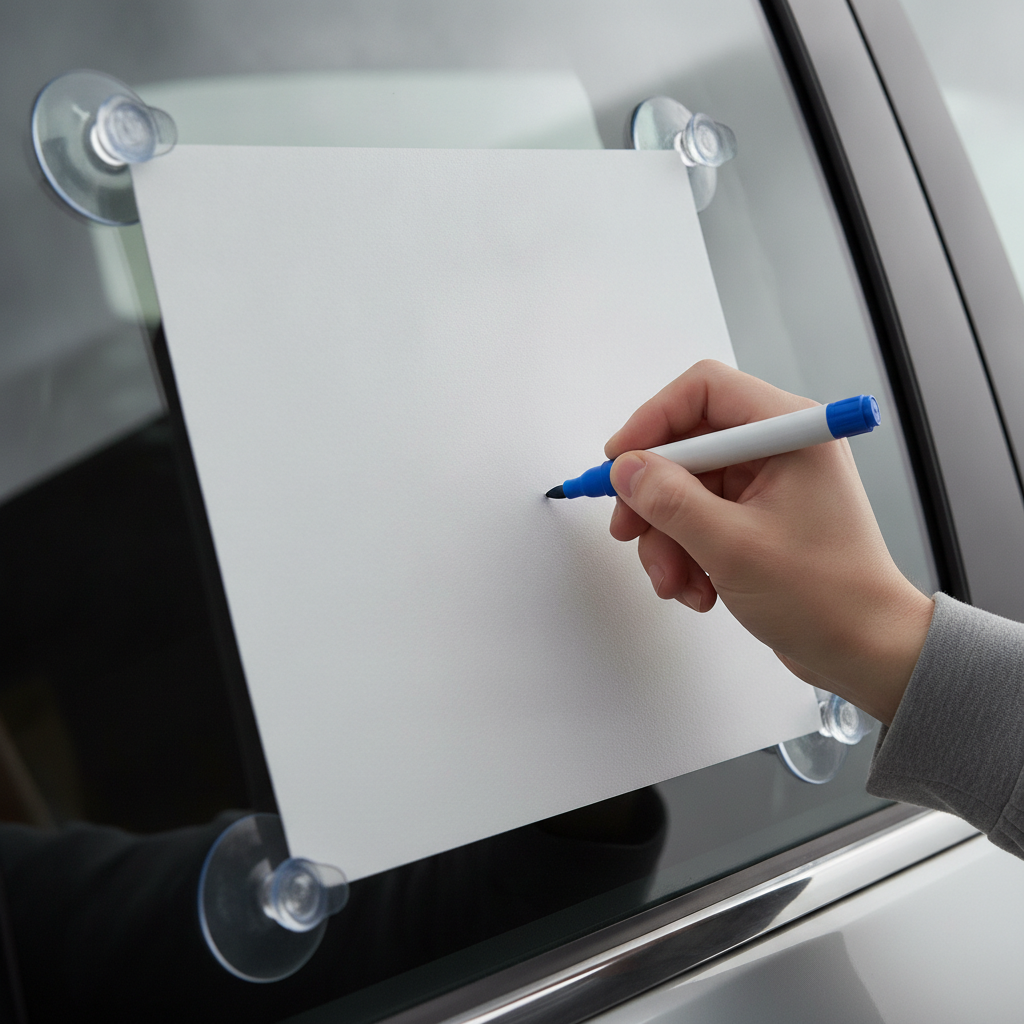
- Window clings and coroplast inserts with suction cups
- QR codes printed and verified before pickup
- Flyers and postcards for glovebox handouts (see best flyer sizes)
- Premium business cards to hand with a smile (align with your brand kit)
If you’re building a fuller leave-behind kit (flyers, mini-brochure, and a card), scan templates in our brochure category, and consider a simple information card tucked in the visor. We also support bundled ordering via realtor packages to keep everything cohesive.
Local considerations for 5004 Timberlea Blvd Unit#18
- Near “Stanford International College,” foot traffic peaks at class changeovers—park curbside during those windows to maximize impressions.
- Winter glare and early sunsets can reduce contrast; test your sign at dusk and add a border or brighter background.
- Weekends near “Parkway Belt Dog Park” bring steady dog-walker traffic—great for parked, family-friendly humor.
Mini Case Studies: From Smile to Sold
Short, respectful humor plus a single action drives measurable results. The three mini case studies below show how a clean joke and a clear QR or text line convert curbside smiles into real inquiries.
“Paid more for gas than therapy” — 2012 compact
A seller parked near weekend foot traffic and used a big, blocky two-line gag with a QR to a photo album. In two days, they logged nine scans and four quality texts. The buyer mentioned the line twice—proof the hook earned recall.
“New job, new commute, new you” — mid-size sedan
This owner parked by a transit hub, used a magnetic door panel for side-view visibility, and kept the contact method to a single short-code text. One week later, they had five text threads and one in-person test drive.
“Garage band needs garage back” — family minivan
Parked near a community park, the sign used a friendly family tone and a large QR to a dedicated listing page. Traffic logs showed 14 scans over a long weekend, leading to two serious offers the following week.
Pro move: Share a photo of your sign on marketplace listings. A quick image of the car plus the sign increases trust and makes your post thumb-stopping. For photo-cleanups and background tweaks, see these tips on optimizing car photos for ads to present your vehicle clearly.
Advanced Design Tips That Punch Above Their Weight
Maximize readability with contrast, whitespace, and hierarchy. Use a bold sans-serif, generous margins, and a simple two-line grid. Test in sun and shade, and photograph your setup for social proof on classifieds and groups.
- Hierarchy: Line 1 = hook (largest), Line 2 = action (large), small corner = proof point.
- Contrast: Black on white or dark on bright. Thin scripts fail at 40–60 feet.
- Whitespace: Leave 0.5–1 inch margins; crowded edges lower legibility.
- QR readiness: Minimum 1.5 inches square; test with two phones before mounting.
- Mounting: Clean glass/paint; magnets grip best on flat, dust-free steel.
- Backup plan: Keep a spare panel and dry-erase marker in the trunk for tweaks.
Brand alignment matters more than most sellers expect. If you’re an agent selling your personal vehicle, match your sign’s color and type to your business cards and flyers. That subtle consistency boosts credibility; see our practical ideas in branding on a budget and use the same palette across print.
One more angle: clean presentation of the car itself. A quick professional detail elevates first impressions and helps your sign land better; learn how detailing supports resale in this overview on improving vehicle resale value. After photos, tuck a few clean postcards in the glovebox so interested passersby can take specs with them.
Need a second set of eyes? Share your line and we’ll suggest layout tweaks, color pairings, and a QR placement that scans fast. Same-day pickup is often available on core materials.
Frequently Asked Questions
Keep answers short and direct. Focus on readability, safety, and clarity. If a question involves rules or safety, defer to official guidance and keep your sign for parked viewing only.
What size should my letters be?
A simple rule many sign makers use is about 1 inch of letter height per 10 feet of viewing distance. For curbside viewing at 40–60 feet, aim for 4–6-inch-high primary letters and high contrast.
Where should I place the sign on my car?
Front windshield and rear window capture the most eyeballs when parked. Side-view magnets help on narrow streets. Avoid blocking the driver’s view and confirm the sign won’t detach while driving.
Can I use edgy humor?
Stick to family-friendly jokes. Edgy or insulting lines can alienate buyers and draw unwanted attention. If it wouldn’t be comfortable on a community board, it doesn’t belong on your car.
Should I add a QR code?
Yes—QR codes bridge curbside curiosity to full specs and photos. Make the code at least 1.5 inches, place it with clear quiet space, and test scans from several angles before mounting.
Key Takeaways
Humor is the hook, clarity is the closer. Use one joke, one proof point, and one action on a weather-ready sign. Big letters, strong contrast, and clear placement drive real inquiries from curbside smiles.
- One-liner + one action beats clutter every time.
- High contrast and 4–6-inch letters win drive-by tests.
- Keep tone PG and inclusive; avoid edgy jokes.
- QR to a full listing captures interest fast.
- Test in sun and shade; iterate weekly.
Conclusion
A funny car for sale sign can turn a parked car into a mini-billboard. When you pair a clean joke with bold typography and a single action, you’ll earn more scans, texts, and offers—without sacrificing safety or respect.
We’ve helped sellers across Ontario move vehicles faster with simple, well-made signage. If you’re near 5004 Timberlea Blvd Unit#18, swing by for fast help on coroplast window cards, magnetic door panels, and glovebox flyers—kept consistent with your online listing. Want us to proof your line? We’re happy to help.
Looking for more print ideas beyond the sign itself? Consider leave-behinds like postcards, or even seasonal handouts—just avoid the usual pitfalls we’ve seen in calendar giveaways. Whatever you choose, keep the message tight, friendly, and easy to act on.