Vehicle graphics are printed or cut graphics applied to a car, SUV, van, truck, or trailer to display branding, contact details, or a message while the vehicle is parked or moving. Choose decals or lettering for focused coverage, magnetic panels for a removable option, and partial or full wraps for broader visual coverage.
Vehicle graphics are mobile branding, not property signage
Vehicle graphics turn a vehicle into a moving brand touchpoint. They can identify an agent, promote a local business, show a phone number, or direct people to a website.
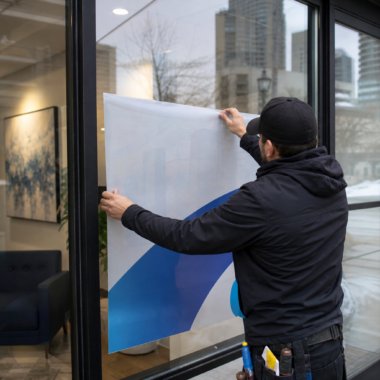
They do not replace For Sale signs, Open House signs, or Directional signs. Property signage identifies a listing and guides visitors, while vehicle branding builds recognition wherever you travel. Related reading: Retail Wall Graphics Guide: Boost Sales in Brampton Now.
Top Realtor Sign & Print offers real estate signs and marketing materials.
What counts as vehicle graphics?

Vehicle graphics include several formats that differ in coverage, reversibility, visual impact, and production scope.
| Format | What it is | Best fit | Main tradeoff |
|---|---|---|---|
| Cut decals | Shapes, logos, or lettering cut from adhesive material. | A logo, web address, phone number, or short message. | Less suitable for photographs, gradients, and detailed artwork. |
| Vehicle lettering | Individual letters or simple words applied to a panel or window area. | Business names, services, and concise identification. | Less coverage and visual richness than printed graphics. |
| Magnetic panels | Removable panels placed on compatible metal surfaces. | Branding that must be removed for personal use, leasing, or changing campaigns. | They need a suitable smooth surface and regular care. |
| Partial wrap | Printed graphics covering selected areas such as doors or side panels. | More visible branding without covering every panel. | Artwork must transition cleanly around edges, handles, curves, and trim. |
| Full wrap | Printed graphics covering most of the visible exterior. | A vehicle that is a major, long-term brand asset. | Greater artwork, installation, removal, and downtime scope. |
A decal on a car is simply a graphic attached to the vehicle surface. It may be a single logo, lettering, or a complex printed image. For a related comparison of removable panels and wraps, see vehicle magnet signs.
For custom car decals, ask about the vehicle surface, artwork complexity, desired coverage, installation conditions, and removal plan. A decal that suits a flat door may need a different approach on a curved bumper, textured surface, or area interrupted by trim.
Choose the format by vehicle use and branding goal
Start with the vehicle’s job. A personal car used occasionally for appointments has different branding needs from a service van that represents a business every day.
- If you need a small, clear identity: investigate lettering or a cut logo decal.
- If branding must be removable: investigate magnetic panels, provided the surfaces are suitable.
- If you want stronger side-panel visibility: consider a partial wrap.
- If the vehicle is central to the brand: investigate a full wrap with artwork, production, installation, removal, and downtime separated in the scope.
- If campaigns change frequently: keep the permanent identity simple and use separate materials for temporary messages.
Hypothetical example: A Realtor using a personal SUV for showings may prefer a modest door logo, phone number, and website. A landscaping company operating a dedicated van daily may value broad side-panel coverage, a service list, and a rear-facing message. Neither option is automatically better. The vehicle’s role determines the appropriate coverage and permanence.
Doors, side panels, rear windows, bumpers, mirrors, handles, seams, textured plastics, and repaired paint can all affect fit and installation.
Design for a vehicle people see for only a few seconds
Vehicle graphics should communicate one main idea quickly. Use a recognizable business or agent name, one clear description, one easy contact route, and strong contrast against the vehicle colour.
Use one primary message
Do not turn a moving vehicle into a brochure. Start with a short headline, readable phone number or web address, and simple logo. Long service menus and dense paragraphs are difficult to process from the road.
Design around the viewing angle
Keep important text away from door seams, handles, wheel arches, windows, and other interruptions. Review side, rear, and front views separately because each presents a different reading opportunity.
Make the contact path obvious
A QR code can support a campaign, but it should not be the only response method. Pair it with a readable phone number, short web address, or social handle. For concise attention-grabbing messaging, review these vehicle sign ideas.
Use a thumbnail test before approving artwork. If the brand and main action are not clear at small size, simplify the design.
How to preview the design before production

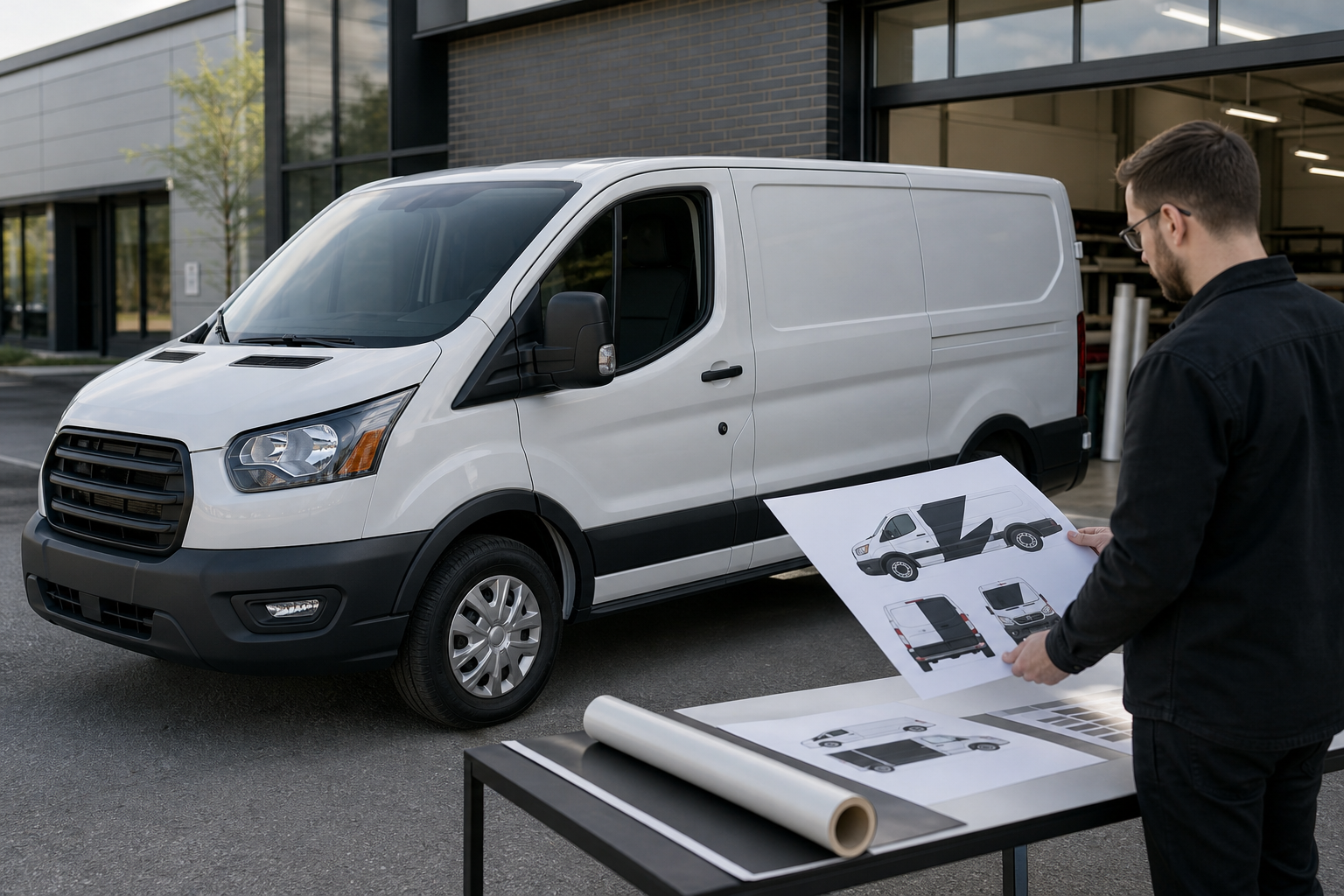
The most useful preview combines accurate vehicle photographs with a scaled mockup. Photograph both sides, the rear, and the front. Record the year, make, model, body style, and accessories that affect the artwork.
Mark handles, mirrors, windows, lights, trim, fuel doors, seams, roof rails, and unusual curves. Then inspect whether the logo remains intact and the main message stays visible from each intended angle.
- Thumbnail view: confirm that the brand and primary message are recognizable.
- Realistic viewing distance: check that the type remains readable without zooming.
- Panel-by-panel view: inspect doors, seams, curves, trim, and colour changes.
A digital mockup is a planning aid, not proof of final material, colour, surface condition, or installation outcome. Ask how colour matching, panel alignment, and actual surface conditions will be handled.
Prepare a quote brief that describes the real scope
A useful quote request gives the provider enough information to evaluate the vehicle and separate the main decisions.
- Vehicle year, make, model, and body style.
- Clear photographs of each side, the front, the rear, and unusual body areas.
- Approximate dimensions or specific panels for coverage.
- Preferred format: lettering, decals, magnetic panels, partial coverage, or broader coverage.
- Logo, brand colours, fonts, and brokerage requirements.
- Exact copy, phone number, web address, social handle, and QR destination.
- Paint or surface condition, previous graphics, repairs, oxidation, textured areas, and accessories.
- Installation, removal, storage, or vehicle-downtime requirements.
- Preferred timing and whether several vehicles need a shared design system.
- Questions about cleaning, maintenance, colour matching, warranty, and local requirements.
Do not assume a logo-only request has a fixed price. No verified vehicle-graphics product or pricing data is available for this business, so the scope should define the material, coverage, installation, and timing before quotes are compared.
What changes the project cost?
The cost of putting a logo on a car depends on scope, not just the logo file. Key variables include vehicle size and shape, coverage, artwork complexity, material and finish, surface preparation, installation access, removal, and adaptation across several models.
Ask each provider to separate artwork preparation, material and printing, installation, removal of existing graphics, optional panels or windows, and vehicle downtime. A lower total may reflect less coverage or excluded preparation. A higher total may include more extensive work, but the written inclusions should explain the difference.
Vehicle graphics work best with supporting print

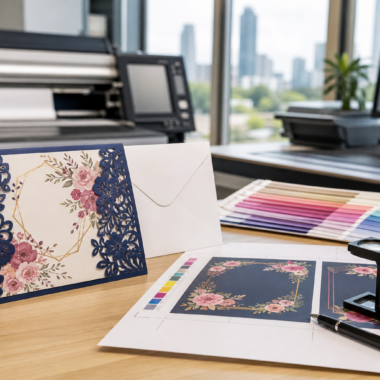
A vehicle creates recognition, but a conversation still needs a useful next step. Pair a short vehicle message with a printed item someone can keep after meeting you.
For a simple handoff, economy business cards can provide a compact reminder of your contact details after an in-person conversation.
When readers need more detail, a brochure or another folded format can carry information that would be difficult to read on a moving vehicle. Choose the format around the amount of information, reading setting, and handoff you have planned.
The vehicle earns attention, the card provides a contact reminder, and the brochure supplies information that cannot fit on a moving surface.
Questions to ask before approving vehicle graphics
- Is the proposed material compatible with the vehicle’s painted, glass, plastic, or textured surfaces?
- How will repairs, oxidation, dents, or contamination affect the work?
- Which areas will be covered and which will remain clear?
- How will the design handle seams, curves, trim, windows, lights, and plates?
- Who prepares the artwork and confirms the proof?
- What cleaning and maintenance method is recommended?
- What are the removal conditions, and is removal included?
- What warranty terms apply to material, printing, installation, and surface?
- How much vehicle downtime should be planned?
- Which local, property, fleet, brokerage, or branding requirements must be checked?
Ask the provider how the proposed design will preserve required visibility and normal vehicle operation. Include that question in the mockup and scope review before approving the work.
A practical next step for your vehicle-branding brief
Finalize the vehicle photographs, primary message, logo files, preferred coverage, and questions about materials, installation, removal, maintenance, warranty, timing, and local requirements before requesting a quote.
For related real estate and local-business signage planning, Top Realtor Sign & Print offers sign printing services. Ask for a scope review that distinguishes vehicle-graphics work from the signs and print materials your campaign may also need.